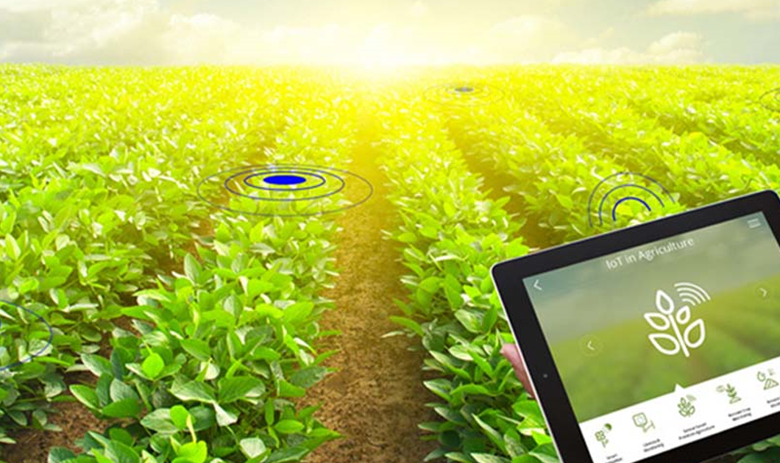
Smart farming represents a significant evolution in agricultural practices, driven by advancements in AI and IoT technologies. These tools facilitate enhanced decision-making, allowing for better crop management and resource optimization. The integration of these innovations presents both opportunities and challenges for farmers. As the agricultural landscape shifts towards automation and data-driven strategies, the implications for productivity and sustainability warrant closer examination. What factors will ultimately determine the success of smart farming initiatives?
Understanding Smart Farming Technologies
Smart farming technologies represent a transformative shift in agricultural practices, integrating advanced digital tools to enhance productivity and sustainability.
Central to this evolution are smart irrigation systems, which optimize water usage through real-time data analysis, and automated harvesting techniques that streamline crop collection, reducing labor costs and enhancing efficiency.
These innovations empower farmers, promoting autonomy and offering solutions to meet growing global food demands.
The Impact of AI on Crop Management
Artificial intelligence (AI) is transforming crop management by enabling data-driven decision-making and optimizing resource allocation.
Through AI analytics, farmers can enhance crop prediction accuracy, leading to improved yield optimization.
Furthermore, AI facilitates effective pest detection and integrates diverse data sources for streamlined resource management.
This technological advancement empowers agricultural practices, fostering sustainability and increased productivity, ultimately supporting the freedom to innovate within the industry.
See also: How Wearable Tech Is Improving Health Tracking
IoT Solutions for Precision Agriculture
Numerous IoT (Internet of Things) solutions are revolutionizing precision agriculture by facilitating real-time data collection and analysis.
Sensor networks enable farmers to monitor soil conditions, crop health, and weather patterns efficiently. The integration of data analytics allows for informed decision-making, optimizing resource usage and enhancing yield.
This innovative approach empowers agricultural producers to achieve greater sustainability and operational efficiency in their farming practices.
Future Trends in Agricultural Innovation
As the agricultural sector embraces IoT solutions for precision farming, attention is increasingly shifting towards future trends that will further shape agricultural innovation.
Vertical farming is poised to revolutionize crop production, while agritech startups are leveraging digital tools to enhance sustainable practices.
This convergence of technology and agriculture promises to optimize resource management and improve food security, fostering a resilient and adaptive farming landscape.
Conclusion
In conclusion, smart farming stands as a beacon of hope in the agricultural landscape, illuminating the path toward enhanced productivity and sustainability. By harnessing the power of AI and IoT, farmers are equipped with the tools to navigate the complex challenges of modern agriculture. As these technologies continue to evolve, they will not only transform farming practices but also sow the seeds for a resilient future, ensuring food security while nurturing the planet’s resources.