Wearable technology is transforming the landscape of health tracking. These devices offer real-time monitoring of vital signs, enhancing the accuracy of fitness assessments. Users benefit from personalized insights and goal-setting features, which encourage sustained engagement in their health journeys. As individuals gain access to actionable data, the potential for lifestyle changes increases. What implications does this shift hold for broader health management practices?
Real-Time Monitoring of Vital Signs
As wearable technology continues to evolve, the real-time monitoring of vital signs has emerged as a pivotal feature that enhances personal health management.
This continuous health assessment enables individuals to track their well-being effortlessly while facilitating remote patient monitoring. Such advancements empower users to take proactive measures, fostering a sense of autonomy and freedom in managing their health and making informed decisions.
See also: How VR Is Transforming Education and Training
Enhanced Fitness Tracking and Goal Setting
How can individuals effectively track their fitness progress and set achievable goals?
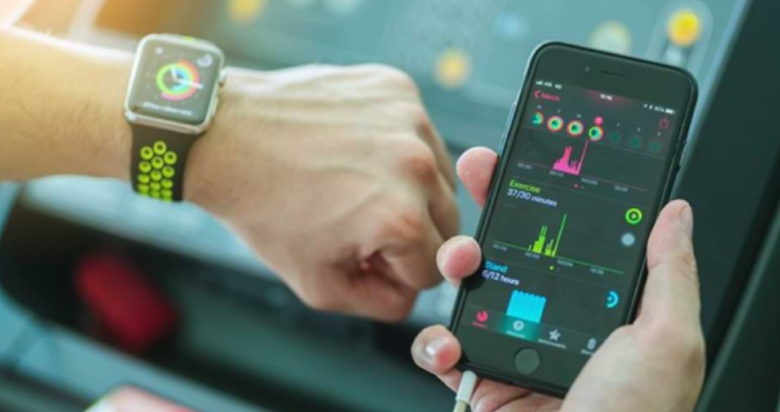
Wearable technology enhances this process through personalized coaching and progress visualization. Users can monitor their daily activities, receive tailored feedback, and visualize their progress over time.
Data-Driven Insights for Health Management
Wearable technology not only facilitates enhanced fitness tracking but also plays a pivotal role in health management through data-driven insights.
By harnessing predictive analytics, these devices offer personalized recommendations tailored to individual health needs.
This data empowers users to make informed decisions about their well-being, fostering a proactive approach to health management that aligns with their personal goals and lifestyle choices.
Encouraging Healthy Lifestyle Changes
Although many individuals struggle to maintain healthy habits, wearable technology serves as a powerful catalyst for encouraging positive lifestyle changes.
By facilitating habit formation through data-driven insights, these devices provide users with motivational reminders that promote consistency.
This continuous feedback loop empowers individuals to embrace healthier choices, fostering a sense of autonomy and reinforcing the desire for a more balanced, fulfilling lifestyle.
Conclusion
In summary, wearable technology significantly enhances health tracking through real-time monitoring, personalized coaching, and data-driven insights. With studies indicating that users of fitness wearables are 30% more likely to meet their exercise goals, these devices not only foster accountability but also motivate individuals to embrace healthier lifestyles. As the integration of analytics continues to evolve, the potential for improved health outcomes and proactive personal health management becomes increasingly promising, marking a vital shift in individual well-being approaches.