Technology has transformed sports performance analysis by introducing various tools that enhance athlete training and evaluation. Wearable devices monitor physiological metrics, while video analysis breaks down gameplay for tactical refinement. Data analytics offers insights into performance trends, enabling targeted development strategies. However, the integration of these technologies raises questions about their impact on traditional coaching methods and athlete autonomy. Exploring these aspects reveals deeper implications for the future of sports training and competition.
Wearable Technology and Athlete Monitoring
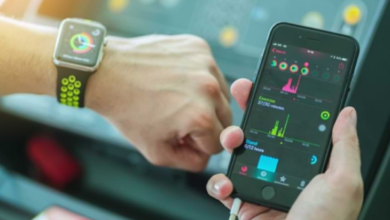
As athletes strive for peak performance, the integration of wearable technology into training regimens has emerged as a pivotal factor in monitoring and enhancing athletic capabilities.
Wearable devices, such as heart rate monitors and GPS trackers, provide valuable data on athlete health, enabling coaches to tailor training programs.
This data-driven approach fosters improved performance while minimizing the risk of injury, ultimately promoting long-term athletic success.
Video Analysis for Tactical Insights
While technology continues to evolve, video analysis has become an indispensable tool for gaining tactical insights in sports performance. Coaches utilize this method for tactical breakdowns, allowing them to dissect player movements and strategies.
Furthermore, video analysis facilitates match simulations, enabling teams to prepare for upcoming opponents by replicating scenarios. This approach enhances decision-making and fosters a deeper understanding of game dynamics.
Data Analytics and Performance Metrics
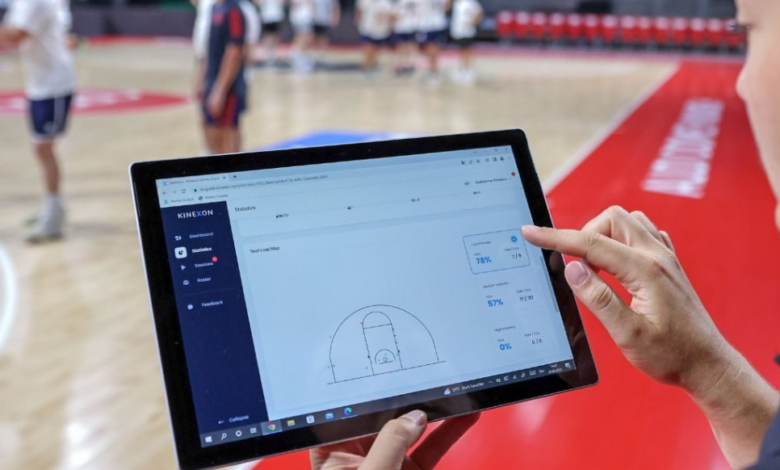
Data analytics has emerged as a critical component in enhancing sports performance, providing coaches and athletes with quantifiable insights that inform training and strategy.
By leveraging performance indicators, teams can assess individual and collective strengths and weaknesses.
Statistical modeling further refines these insights, enabling precise predictions and tailored interventions that empower athletes to optimize their performance and achieve their goals effectively.
Virtual Reality and Simulation Training
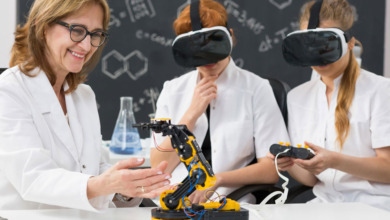
Virtual reality (VR) and simulation training have revolutionized the way athletes prepare for competition by creating immersive environments that replicate real-game scenarios.
These technologies facilitate skill development by allowing athletes to practice in controlled settings, enhancing decision-making and reaction times.
Conclusion
In the dynamic arena of sports, technology emerges as an invisible coach, weaving together threads of data, visuals, and real-time feedback. Wearable devices pulse with athlete metrics, while video analysis captures the dance of movement, revealing patterns hidden in the game’s fabric. Data analytics illuminates pathways to improvement, guiding strategic decisions. As virtual reality simulates scenarios, it crafts a digital training ground, ensuring athletes are not just prepared, but finely tuned for excellence in competition.