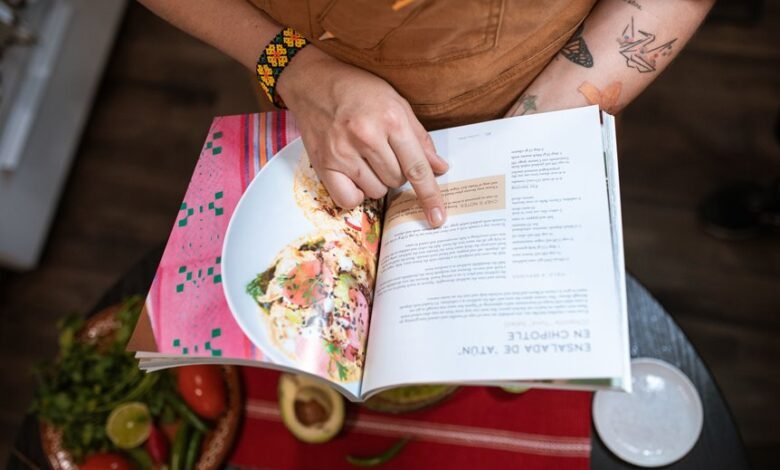
Dugainidos represent a term whose meaning hinges on botanical origin, preparation method, and sensory profile. This guide frames a concise, evidence-based definition while tracing regional origins, trade routes, and culinary adaptation. Typical ingredients, briny and nutty notes, and varying textures inform preparation from grilled to stewed. Clear labeling and pronunciation aids sourcing and communication. The discussion advances by linking menus and markets to cultural context, inviting careful verification of each dish’s specifics before conclusions can be drawn.
What Are Dugainidos? A Foundational Definition
Dugainidos are a category of edible items defined by a distinct combination of botanical origin, preparation method, and sensory characteristics. What are dugainidos presented here as a foundational definition, supported by concise, evidence-based observation. The concept invites tracing origins and cultural contexts, noting typical ingredients, flavors, and preparation styles. To identify dugainidos in menus and markets, talk like a pro with clarity and precision.
Tracing Origins and Cultural Contexts of Dugainidos
The origins and cultural contexts of dugainidos can be traced through regional agricultural practices, historical trade networks, and culinary adaptations that shaped their ingredients and methods.
This evidence-based assessment notes how aesthetic presentation influences consumer perception and market pricing reflects variability in provenance, quality, and seasonality.
Comparative data from peer regions supports claims, ensuring transparent evaluation without speculative interpretation.
Typical Ingredients, Flavors, and Preparation Styles
Typical ingredients for dugainidos encompass a core set of regional staples, with variations reflecting local harvests and culinary traditions. Core flavors include briny, nutty, and herbal notes, while preparation styles range from grilled to stewed, preserving regional textures. Flavor pairings emphasize balance with acidity and sweetness, and texture contrasts—crisp, chewy, tender—define essential mouthfeel in concise, evidence-based descriptions.
How to Identify Dugainidos in Menus and Markets and Talk Like a Pro
Identifying dugainidos in menus and markets hinges on recognizing distinctive labeling, regional descriptors, and preparation cues that signal this specialized staple.
The discussion emphasizes clarity over flair, detailing pronunciation tips and regional varieties to aid confident dialogue.
Readers gain practical cues for branding, sourcing, and accurate communication, supporting informed choices while navigating diverse menus and markets with concise, evidence-based guidance.
dugainidos pronunciation tips, dugainidos regional varieties.
Frequently Asked Questions
Are Dugainidos Vegan-Friendly and Dairy-Free Variants Available?
Dugainidos may offer vegan-friendly and dairy-free variants, contingent on ingredient sourcing. The analysis notes varied flavor profiles across batches, with ingredient sourcing sometimes affecting allergen status and dairy exclusions, requiring verification of each product’s labeling and certifications.
Do Dugainidos Have Regional Substitutes or Name Variants Worldwide?
“Across regions, there are regional naming variants and global substitutes for dugainidos.” The analysis notes diverse terminology and ingredient substitutions worldwide, reflecting regional naming and global substitutes; evidence shows consistent core components yet differing labels and preparations across locales.
What Are Common Nutrition Facts per Serving of Dugainidos?
Dugainidos typically provide modest calories per serving, with no universally defined negative calories claim and variable caffeine content; studies show no consensus on sky high caffeine. Nutrition facts vary, and claims require careful evidence-based verification for freedom-minded consumers.
How Should Dugainidos Be Stored to Maintain Quality?
“First things first,” storage best practices advise keeping dugainidos sealed in a cool, dry place. They require controlled humidity; temperature stability supports shelf life considerations, minimizing mold and rancidity while preserving texture and aroma for freedom-loving consumers.
Are There Allergen Warnings Associated With Dugainidos?
Allergen labeling and cross contact risks are relevant for dugainidos. The product may require disclosure of common allergens; manufacturers should assess cross-contact potential and provide clear warnings to support informed, freedom-conscious consumer choices based on evidence.
Conclusion
Dugainidos emerge as a concept, not a single item, demanding precise classification by origin, preparation, and flavor. Juxtaposed scenes reveal contrast: a briny, nutty aroma against a smoky, herbaceous undertone; a crisp, coastal bite beside a tender, stewed center. The evidence anchors identification in regional agriculture and trade, while label accuracy anchors sourcing. In markets and menus, clear pronunciation and labeling bridge perception with reality, transforming unfamiliar items into familiar norms through consistent, data-driven description.