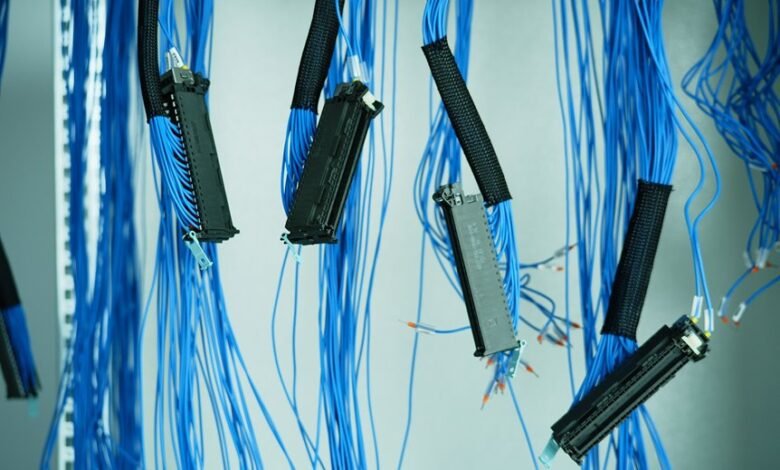
Real Tone Cable alternatives matter today because signal integrity, latency management, and reliability must endure varied environments. Wireless, USB-C, and braided leads each trade off noise suppression, timing, and wear resistance differently. Portable rigs demand compatibility and durable build quality, while clean grounding and disciplined routing reduce rework. The balance of transfer fidelity and practical constraints guides setup choices. A practical path forward depends on how these factors interact in real-world use, inviting careful consideration of specific needs.
Why Real Tone Cable Alternatives Matter Today
Real Tone Cable alternatives matter today because they address persistent limitations in signal integrity, latency, and compatibility that affect modern guitar setups.
The discussion centers on reliability tradeoffs and latency concerns, balancing noisy environments, interference, and resistance to wear.
These alternatives prioritize predictable performance without sacrificing freedom, enabling musicians to choose robust paths while maintaining control over tone, dynamics, and stage reliability.
Comparing Core Options: Wireless, USB-C Interfaces, and Braided Leads
Wireless, USB-C interfaces, and braided leads each present distinct tradeoffs in signal fidelity, latency, and robustness for modern guitar rigs. Core options are evaluated by portability and practical use rather than novelty. Wireless durability influences stage freedom; usb c latency remains a critical metric; braided leads cost factors affect budgeting. Each option prioritizes reliability, interoperability, and real-world performance under varying environments.
How to Choose the Right Alternative for Your Setup
Choosing the right alternative for a setup hinges on matching signal integrity, latency tolerance, and environmental durability to the user’s performance needs.
The selection weighs compatibility, build quality, and future-proofing against workflow demands.
Sustainability benefits and ergonomic design emerge as factors, guiding long-term cost neutrality and user comfort without compromising signal fidelity, reliability, or ease of integration.
Practical Tips for Clean Signals, Setup Speed, and Cost Control
Practical signals require disciplined setup practices and cost-aware choices that preserve performance without unnecessary overhead. In practice, ensuring a clean signal hinges on proper grounding, shielding, and cable integrity, paired with disciplined patch routing.
Setup speed benefits from consistent test procedures and minimal rework, while cost control favors reusable components.
Wireless vs usb c tradeoffs emphasize latency, interference, and power efficiency for reliable real-time operation.
Frequently Asked Questions
Are Real Tone Cables Safer for Long-Term Gear Than Wireless Options?
Real Tone cables generally offer greater long term reliability than wireless options, since wired connections avoid typical wireless tradeoffs like interference, compression, and battery dependence, whereas cables can degrade physically but maintain consistent latency and signal integrity.
Do USB-C Interfaces Introduce Latency in Live Performances?
Ironically, it’s not theater but timing that matters: latency concerns persist with USB-C interfaces, though modern units minimize it. In practice, auditions reveal negligible impact on live performance when optimized, yet awareness remains essential for professional freedom.
Can Braided Leads Degrade Signal Quality Over Time?
Braided leads can experience signal degradation over time due to conductor wear, insulation breakdown, and micro-bending. In practical terms, braided leads may show increased noise and reduced longevity, prompting routine inspection and replacement to maintain consistent signal integrity.
Are There Guarantees on Durability for Real Tone Cable Alternatives?
Durability guarantees vary; some Real Tone cable alternatives offer manufacturer-backed warranties, while others provide limited assurances. These devices undergo rigorous testing for wear, insulation, and connector stability. Safety comparisons show comparable or improved protection when properly maintained, yet context matters.
Which Alternative Minimizes Noise in High-Gain Setups?
The alternative cables with the best noise rejection in high-gain setups use shielded connectors and robust shielding. They minimize hum, hiss, and RF interference, providing consistent signal integrity while preserving freedom to perform across varied rig configurations.
Conclusion
In a field saturated with claims of “lossless” wireless magic and invincible USB-C latency, practitioners still chase the obvious: real tone cable alternatives exist because nothing beats predictable grounding and repeatable runs. The irony lies in trading the familiar wired reliability for bells and whistles that promise freedom—yet complicate setup, compatibility, and maintenance. The practical take: measure latency, test interference, and prefer durable, scalable options. Reliability, not novelty, remains the true tone differentiator.