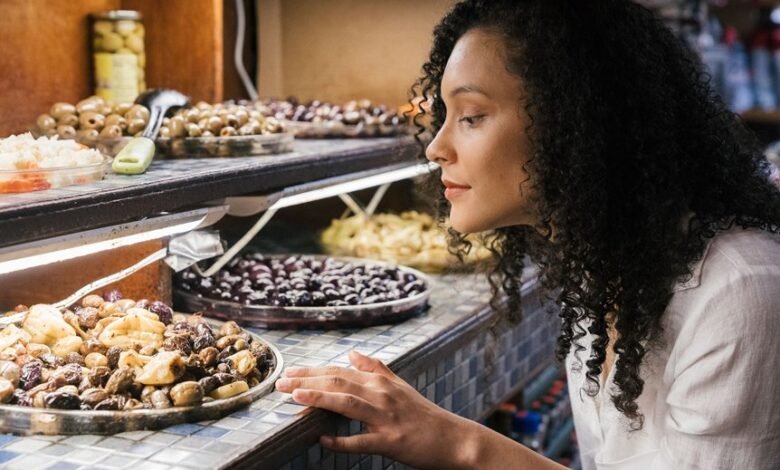
Cook Rg 5e0-d96hgr Taste of nf8-Hdil.4.5.s31 frames experimental inputs as calibrated palate responses, mapping stimuli to perceptual anchors with data-driven rigor. The project emphasizes sensory ethics, provenance, and reproducibility while exploring governance that balances access, platforms, and cultural variance. Its design encodes values, power, and memory into flavor decisions, envisioning an iterative, cross-disciplinary future where consumer-informed critique shapes technique. The key tension remains: who governs taste when taste becomes design, and at what cost to autonomy?
What Is Cook Rg 5e0-d96hgr Taste of nf8-Hdil.4.5.s31?
What is Cook Rg 5e0-d96hgr Taste of nf8-Hdil.4.5.s31? The concept centers on experimental inputs and calibrated palate response, presented with measured objectivity.
It advances taste mapping as a framework, charting how stimuli align with perceptual anchors. Sensory ethics underpins methodology, ensuring transparent provenance and evaluative consistency while maintaining intellectual autonomy and freedom of inquiry.
How Experimental Gastronomy Shapes Future Flavor?
Experimental gastronomy is accelerating the articulation of flavor as a measurable, improvable system rather than a collection of subjective impressions. It reframes aroma, texture, and taste as data Points, enabling iterative refinement toward a cohesive future flavor design identity. This approach favors reproducibility, cross-disciplinary methods, and consumer insights, shaping durable palettes while preserving exploratory freedom and nuanced sensory storytelling for diverse audiences.
Who Gets to Shape Taste in Tech-Driven Food Futures?
In tech-driven food futures, governance of taste centers on who controls data, algorithms, and access to culinary experimentation. Power concentrates where platforms, labs, and policymakers converge, shaping palettes beyond tradition.
Identity governance emerges as a hinge between users and producers, while sensory ethics scrutinizes harm, consent, and cultural variance. Transparent collaboration, not domination, defines legitimate taste-shaping authority in these ecosystems.
Decoding Design, Identity, and Cultural Critique in the Project
Design, identity, and cultural critique converge as a lens to interrogate how design decisions encode values, power, and memory within the project.
Decoding design sequences reveals how identity markers shape user experience and access.
Cultural critique clarifies biases embedded in interfaces and materials.
The project becomes a case study of rhetoric, aspiration, and restraint, prompting disciplined评 analysis rather than sensationalism.
Frequently Asked Questions
What Are the Ethical Implications of Automated Flavor Personalization?
Automated flavor personalization raises privacy concerns and data ownership questions; it affects consent and traceability. A savvy analyst notes potential biases, regulatory gaps, and consumer sovereignty, urging transparent algorithms, robust controls, and independent audits to preserve freedom and trust.
How Does Accessibility Influence Experimental Gastronomy Adoption?
A striking 42% variance in adoption signals accessibility barriers significantly shape experimental gastronomy; thus, inclusive design emerges as essential. Accessibility barriers impede participation, while inclusive design broadens engagement, fostering innovative taste experiments for audiences prioritizing freedom and equity.
Can Traditional Recipes Survive Tech-Driven Taste Shifts?
Traditional recipes can endure, balancing tradition with innovation; traditional methods meet flavor heritage while automated personalization tailors experience, yet ethics govern access. The palate remains savvy and free, demanding precise evaluation of technology’s impact on culinary authenticity.
What Are the Environmental Costs of Ai-Made Flavor Development?
The environmental costs of AI-made flavor development include energy use and material throughput, shaping flavor development ethics implications while automated personalization raises accessibility influence concerns; experimental gastronomy challenges traditional recipes amid tech driven taste shifts, sponsors effect, demanding research neutrality.
How Do Sponsors Affect Research Neutrality in Culinary Tech?
Sponsor influence can tilt research neutrality in culinary tech, but disciplined methodologies provide guardrails; satire introduces caution about bias while preserving objective analysis, enabling a savvy palate to assess incentives, methodologies, and reproducibility without surrendering freedom of inquiry.
Conclusion
In the quiet glow of laboratories, flavors crystallize like dew on a glass prism, each drop a measured verdict of taste and trust. Cook Rg 5e0-d96hgr maps sensation with exactitude, turning subjective memory into reproducible data. The palate becomes a compass, pointing toward ethical provenance and nuanced culture. As experimental gastronomy unfolds, governance, transparency, and cross-disciplinary rigor illuminate a future where taste is shared, curated, and continually reimagined.